Pleasure spiked with pain
Jan 14, 2026
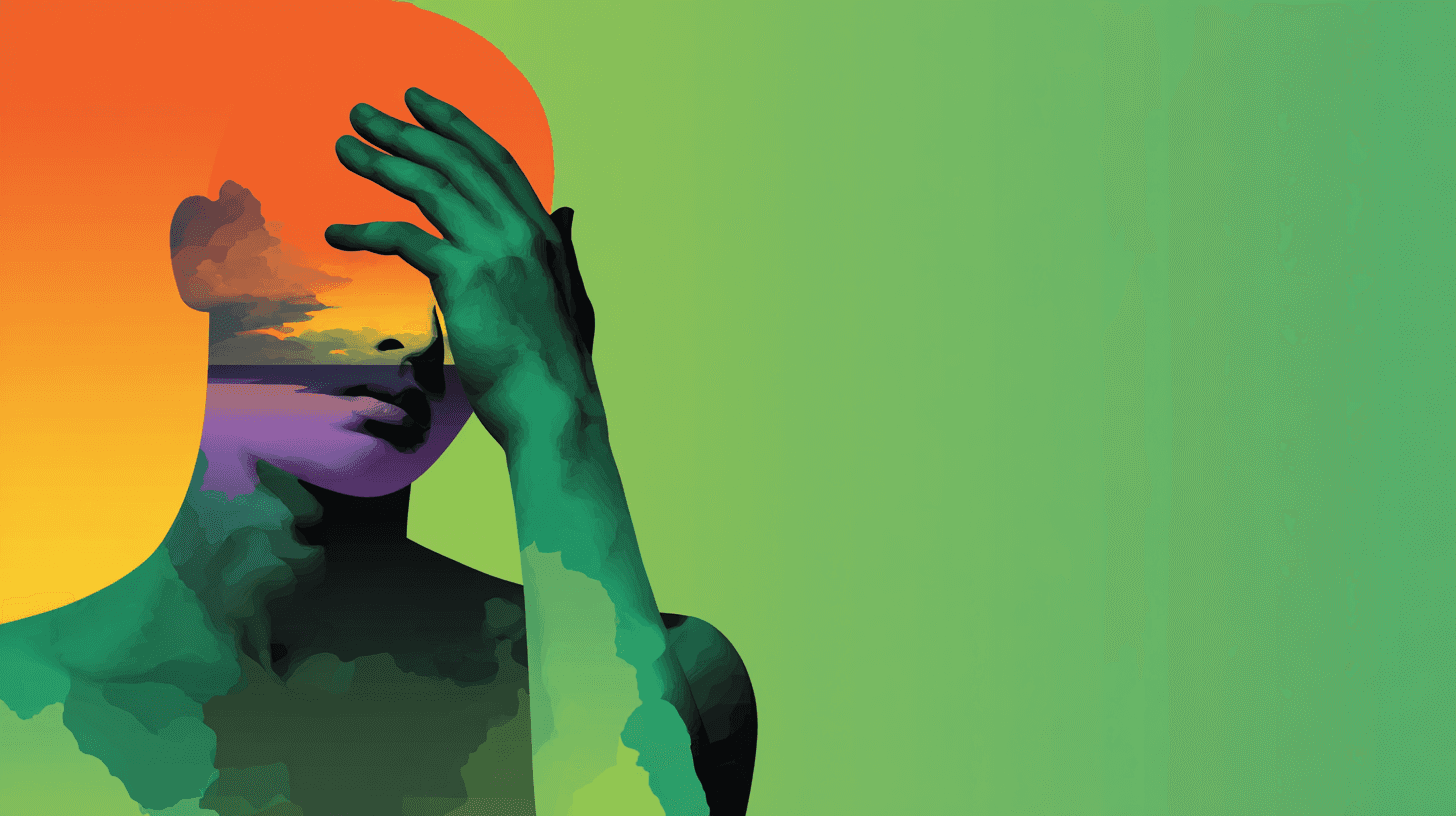
One of the most unsettling insights from Dopamine Nation is the paradox that hedonism, the pursuit of pleasure for its own sake, often leads to anhedonia, the inability to feel pleasure at all.
Dr. Anna Lembke describes how even reading, once her primary source of pleasure and escape, eventually stopped "working". What made it painful was losing both the enjoyment and the ability to let go of the very thing she relied on to feel okay. For her it was trashy novels, the kind you don’t exactly leave on the coffee table. For others it’s a YouTube rabbit hole that somehow turns into two lost hours. Safe space. No judgment. Same nervous system. Same reward system.
I see this constantly in my work. In my office, and just as clearly in the lives people describe online. What begins as relief or escape slowly stops delivering pleasure. The behavior no longer feels good, but stepping away from it feels worse. People are no longer chasing a high. They are trying to quiet the unease, the irritability, the flatness that shows up when the stimulus is gone.
And our own experience points to this not being limited to addiction. Variations of this pattern show up after binge watching, (why isn't there a second season of MIdnight Gospel) endless scrolling, overworking, even after peak experiences that were "supposed" to feel fulfilling. The crash is all too familiar. The confusion that follows is familiar too.
This is the pleasure pain balance tipped too far toward pain.
At that point, relapse is driven less by the search for pleasure and more by the need to feel normal. Neuroscientist George Koob calls this dysphoria driven relapse, a return to using motivated by the desire to escape suffering.
And what this does is that it entirely reframes how we understand addiction. People are not reckless or weak. They are responding to a nervous system stuck on the pain side of the scale.